Why preparing for the unexpected became such an important part of my own wellness journey.
The Side of Wellness We Don’t Talk About Enough
You know what’s interesting?
When we think about wellness, we usually think about eating healthier, exercising, managing stress, and taking care of our bodies.
But what about taking care of the people we love when we’re no longer here?
As I’ve gotten older, that’s something I’ve started thinking about more and more.
I’ve watched people lose someone they love, only to find themselves facing an entirely different set of struggles on top of their grief.
Suddenly, they’re trying to figure out funeral arrangements, where the money is going to come from, what happens to the house, and how they’re supposed to move forward.
I’ve seen families struggle to cover funeral expenses.
I’ve seen people have to sell their homes or move in with loved ones because their financial situation changed so drastically.
And it’s heartbreaking.
Because losing someone you love is already hard enough.
The last thing I would want is for my family to be overwhelmed with financial decisions and expenses while they’re grieving.
But here’s something else I’ve come to realize.
I completely understand why so many people put off planning for these things!
It can be expensive. It’s uncomfortable to think about. And when you’re already busy managing everyday life, preparing for something you hope won’t happen for a very long time can easily fall to the bottom of the priority list.
But the more I witnessed, the more I started thinking about something.
Preparing ahead of time might cost money, but being completely unprepared can cost so much more.
Not just financially, but emotionally.
And that’s what made me want to learn more.
Wait… There Are Different Types of Life Insurance?
Here’s something that still surprises me.
I was well into my 40s before I even realized how many different types of life insurance were available!
Seriously!
For most of my life, I thought life insurance was pretty straightforward.
You bought a policy, paid the premiums, and when you passed away, your beneficiaries received the money.
And that’s certainly one important purpose.
But as I started exploring my options, I discovered there was so much more to learn.
There are term life policies, different types of permanent life insurance, and policies with features that may provide benefits while you’re still living.
That last part really caught my attention.
Some permanent policies build cash value that may be accessible through withdrawals or loans, although using that money can reduce the policy’s value or death benefit and may have other consequences.
Some policies also offer optional living-benefit riders that may provide access to part of the death benefit if you experience certain qualifying illnesses.
Of course, these options come with costs, rules, limitations, and trade-offs.
They’re not all appropriate for everyone.
But I couldn’t help thinking:
Why was I just now learning about all of this?
And how many other people didn’t realize they had options to explore?
Naturally, that sent me down another learning rabbit hole!
How I Discovered IUL Insurance
One of the options I became interested in was Indexed Universal Life insurance, often called IUL.
An IUL is a type of permanent life insurance that combines a death benefit with a cash-value component.
The potential interest credited to that cash value is linked to the performance of a market index, subject to the terms of the policy.
That doesn’t mean you’re directly investing in the stock market, and it certainly doesn’t mean the policy is guaranteed to perform the way an illustration might project.
There are insurance charges, policy expenses, and other details to understand.
But I was fascinated by the different features and possibilities.
After learning more, I decided to purchase an IUL policy for myself.
I also explored getting coverage for my husband.
Unfortunately, because of his age and health history, he didn’t qualify through the medical underwriting process.
That was another eye-opening experience.
It made me realize that deciding you want coverage and being able to qualify for a particular policy aren’t always the same thing.
It’s one reason I believe learning about your options earlier can be helpful.
I’m also exploring policies for my kids as part of our family’s planning.
And somewhere along the way, my curiosity took me even further than I expected!
Why I Ended Up Getting My Insurance License
I didn’t originally start learning about life insurance because I had some grand plan to enter the insurance industry.
I was interested because I couldn’t believe how little I had known about my own options!
By the time I discovered some of these possibilities, I was already well into my 40s.
And I kept thinking about how many other people might be in the same position.
What if someone had never heard about living-benefit riders?
What if they didn’t understand the difference between term and permanent coverage?
What if they assumed life insurance was something to think about only when they were much older?
You can’t explore an option you don’t even know exists!
So I kept learning.
And eventually, I decided to get my insurance license so I could help other people learn about and explore their options, too.
Not because I believe everyone needs the same policy.
Quite the opposite!
The more I learned, the more I realized how important it is to understand what you’re buying, what it costs, and whether it actually fits your needs.
And even if someone decides an insurance policy isn’t right for them, at least they’re making that decision with more information.
For me, that’s what makes education so valuable.
But Life Insurance Is Only One Piece of the Puzzle!
The more I thought about what families go through after losing someone, the more I realized that having insurance doesn’t automatically mean everything else is taken care of.
What about all the little details of everyday life?
Where are the important documents?
Which bills need to be paid?
Who knows where the property deeds and vehicle titles are?
What accounts do we have?
And would my family even know where to start if something happened to me tomorrow?
That’s when I started thinking about organizing all of this information.
Because I don’t want my loved ones having to play detective during one of the hardest moments of their lives!
Our Emergency Binder: Making Life Easier for Whoever Needs It
I’ve always appreciated how much easier life feels when I have things organized. It’s one of the reasons I loved using my wellness planner to track my everyday habits. But this time, I’m organizing something much bigger: the information my family might need if something happened to us.
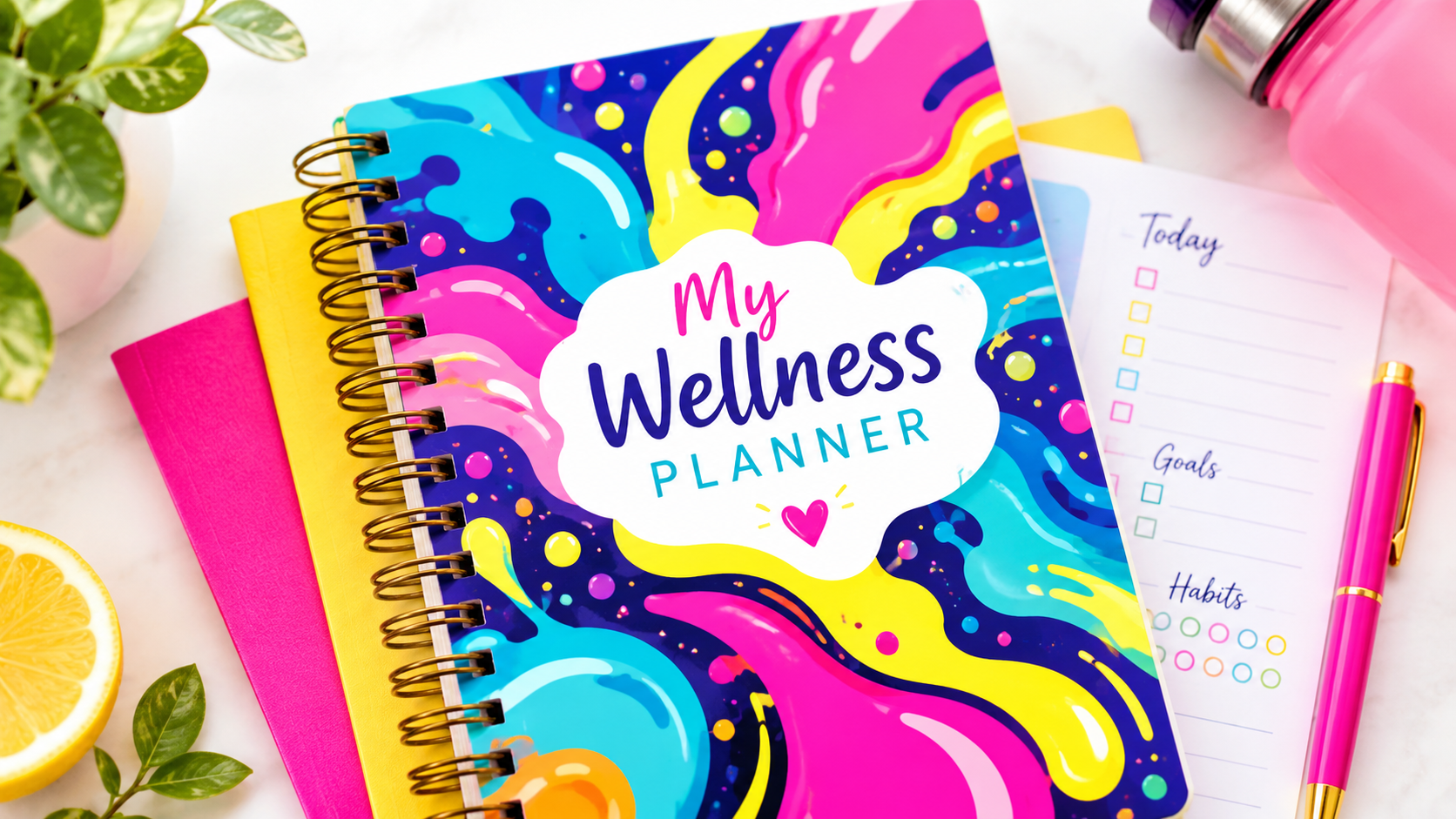
One of the projects I’m currently working on is an emergency binder.
And I’m actually pretty excited about this one!
I know. Who gets excited about organizing emergency paperwork?
Apparently, me! 😂
But seriously, think about how helpful it could be.
My goal is to create one place where a trusted family member can find the information they would need if something happened to us.
Things like:
- Important personal and family documents
- Insurance policy information and contact details
- Bills, debts, and recurring household expenses
- Bank and financial account information
- Vehicle titles and property deeds
- Information about important online accounts
- Emergency contacts and relevant instructions
- Where to locate our estate-planning documents
For sensitive information, especially passwords, the plan is to make sure our family has a secure way to access what they need, rather than leaving unprotected login details sitting in a binder.

Because the goal is to help them, not accidentally create a security problem!
And I want the information to be clear enough that someone could actually use it.
Not just a collection of random papers stuffed into a folder.
I want them to know what needs attention, who to contact, and where to find the important things.
The less they have to figure out while grieving, the better.
Wills, Living Trusts, and All the Other Things I’m Still Learning!
Of course, the emergency binder isn’t the only thing on my list.
I’m also researching our estate-planning options.
Things like wills and revocable living trusts.
And let me tell you, there’s a lot to learn!
A will can provide instructions about how you want your estate handled and name people to serve in important roles.
A revocable living trust is another planning tool that may help manage assets during your lifetime and direct how certain assets are handled afterward.
Depending on your situation and how the trust is set up and funded, it may also help some assets avoid probate.
But a trust doesn’t automatically solve every estate-planning issue, and the right combination of documents depends on your circumstances and state law.
I’m still exploring what makes the most sense for our family.
I’m also learning about documents that can help if someone is alive but unable to make decisions, such as powers of attorney and advance healthcare directives.
Because preparing for the unexpected isn’t only about what happens after death.
It’s also about making sure someone can help if you’re unable to manage things yourself.
And I’ll be the first to admit:
I don’t have everything figured out yet!
But that’s okay.
I’m learning, organizing, and making progress.
One decision at a time.
My Goal? Make Things Easier for the People I Love
When I think about completing our emergency binder and getting our plans in place, I have one main goal.
If something happens to us, I want our family to know what to do and where to find everything.
I want them to know which bills we owe.
I want them to know what accounts we have.
I want them to be able to find important titles, deeds, and documents.
And I want them to have clear instructions rather than being left to guess.
Because the last thing I want is for someone to be grieving and suddenly have to figure out how our entire household operates!
Can you imagine trying to locate an important document, identify every bill that’s due, and make financial decisions when you’ve just lost someone you love?
That’s exactly the kind of situation I’m trying to prevent.
I know I can’t take away the sadness of losing someone.
I can’t make grief disappear.
But maybe I can take away some of the unnecessary stress that comes with it.
And to me, that’s worth preparing for.
You Don’t Have to Figure Everything Out Today
Here’s something I want to emphasize.
If you haven’t started end-of-life planning, you don’t need to run out tomorrow and buy an insurance policy, hire an attorney, or create an elaborate emergency binder.
You can start much smaller.
Maybe you gather your important documents into one place.
Maybe you write down a list of your household bills.
Maybe you have a conversation with your spouse or family about what you would want if something happened.
Or maybe you simply start learning about the different options available.
You don’t have to complete the entire plan to begin making things easier for the people you love.
And that’s something I’m reminding myself of, too.
I’m still working on our plans!
But every document I organize, every question I ask, and every decision I make is one more step forward.
Why I Consider This Part of Wellness
The more I explore wellness, the more I realize how much it includes.
It’s not just eating vegetables, exercising, or getting enough sleep.
It’s also our emotional well-being.
Our relationships.
Our financial security.
And the ways we care for the people who matter most to us.
I started exploring end-of-life planning because I saw what happened when families were left unprepared.
I kept learning because I realized how many options I hadn’t even known existed.
And now I’m putting that knowledge into practice, little by little, for my own family.
Not because I expect something terrible to happen tomorrow.
But because I want to know I’ve done what I can to help the people I love if that day ever comes.
It’s not about having everything figured out today. It’s about making one decision now that could make a difficult tomorrow a little easier for someone you love.
And I think that’s a pretty meaningful reason to start.
Get curious. Have fun. Discover something new.
Start Where You Are. Grow From There.
Disclaimer: This article shares my personal experience and is intended for educational purposes. Life insurance policies vary in features, costs, eligibility, and risks. Cash-value access, loans, withdrawals, and riders may have financial or tax consequences. Estate-planning requirements vary by state. Consider speaking with qualified insurance, legal, and financial professionals about your specific situation.